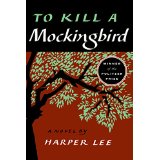
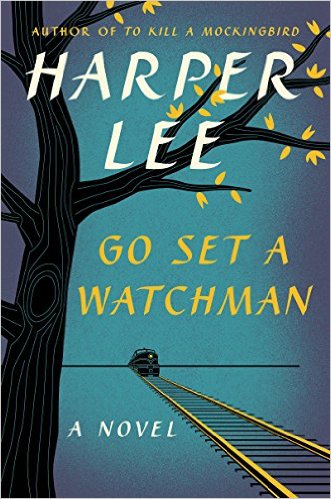
 I can’t be the only person to find this business with Harper Lee a little fishy. Just like that, a manuscript turns up? After 50-odd years? As Atticus Finch might ask, cui bono? Certainly not Harper Lee herself, who has shown no hunger for fame or money thus far.
And, really, can one actually misplace a manuscript? I think Hemingway once lost a suitcase containing one — but he was on the move a lot. I’d be thrilled to hear of a lost manuscript by Bruno Schulz found stuffed between floorboards in Drohobycz — but he was shot dead on the street by the Gestapo, a tragic example of someone who left his literary affairs in disarray. Sure it is possible to lose track of a manuscript, but perhaps harder when you live as quiet a life as Harper Lee has.
When we look closer, the story grows more complicated. It wasn’t so much “lost” as set aside and (perhaps) forgotten. The tale of an older Scout and an older Atticus set in the 1950s, it seems to have been an ur-Mockingbird, a thing Harper Lee’s editor told her wasn’t quite working. “Why don’t you write about her as a girl instead? That’d probably be more interesting.” Which turned out to be true. If there had been more to the novel, something Harper Lee wanted to return to and improve, it’s hard to understand why she did not do so sometime between then and now. Hard to avoid thinking she took the best parts for use in “Mockingbird.”
The book is sure to sell, yet I suspect most people who loved “Mockingbird” will be disappointed. To me, its greatest interest will be literary-forensic: How does her writing look unedited? What were the elements of “Mockingbird” that were there from the start, and what came later? What was the story she thought she was trying to tell, until persuaded the real story lay elsewhere?
Literature is full of such false starts, but we rarely get to read them. The speculation among Jane Austen scholars, for instance, is that “Sense and Sensibility,” “Pride and Prejudice,” or maybe both, were originally told in letters. Jane Austen’s own mention in a letter that she was chopping “Pride and Prejudice” to prepare it for publication, some 15 years after she first wrote an earlier version. How the mind reels at this! What did she take out?
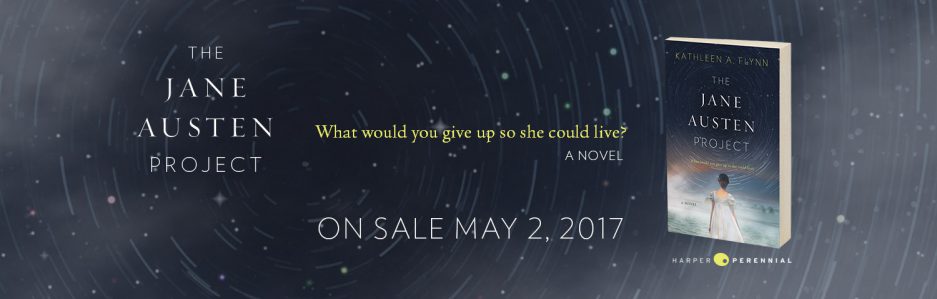






 The Jane Austen Project: A Novel