Sharing this wonderful post from Henry Oliver.
https://www.commonreader.co.uk/p/why-we-love-jane-austen-more-than
“Why is Jane Austen quite so popular?
The reason is simple….”
Sharing this wonderful post from Henry Oliver.
https://www.commonreader.co.uk/p/why-we-love-jane-austen-more-than
“Why is Jane Austen quite so popular?
The reason is simple….”
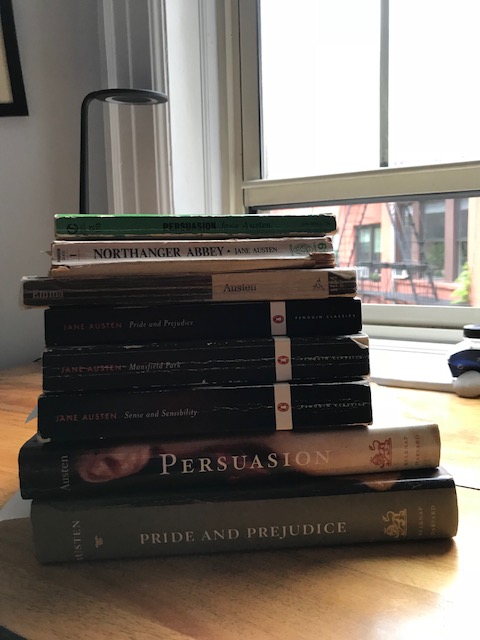 Most funny to least (but still) funny:
Northanger Abbey
Pride and Prejudice
Sense and Sensibility
Emma
Persuasion
Mansfield Park
The Order in Which I Advise People New to Austen to Read Them:
Pride and Prejudice
Persuasion
Sense and Sensibility
Northanger Abbey
Mansfield Park
Emma
Best Romantic Leads, in Order of Best-ness:
Mr. Tilney
Captain Wentworth
Mr. Knightley
Mr. Darcy
Edward Ferrars
Edmund Bertram (Someone’s got to be last.)
Female Leads in Order of How Much I Would Probably Actually Like Them in Real Life, From Most to Least:
Marianne Dashwood
Anne Elliot
Elizabeth Bennet
Elinor Dashwood
Mary Crawford
Fanny Price
Emma Woodhouse
Catherine Moreland (This list was even harder than the men’s list. Really I like them all.)

Reading this fantastic book was a little like one of those dreams where you discover an extra room in your apartment. An entire book focused on Henry Austen, a man I’ve spent years thinking about and trying to imagine! Continue reading
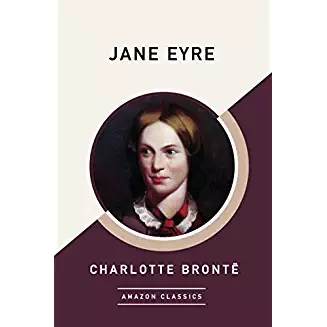
This week I read a wonderful essay titled “Reading Jane Eyre While Black” that I’ve been turning over in my mind ever since. Not only does it compare two of 19th -century England’s most fascinating writers — Charlotte Bronte and Jane Austen — but it hits on many of the issues I’ve been thinking about lately. About authorial intent, and how there will always be something a little mysterious about it, even to the author. Also how as both readers and writers we bring our own biases, both the known and unknown, to the page.
Tyrese L. Coleman makes many interesting points along the way, but one key theme is how “Jane Eyre” has been ruined for her by Bronte’s depiction of Bertha Mason, whose craziness and evil is inextricably linked to her West Indian origins and implicit blackness. Continue reading
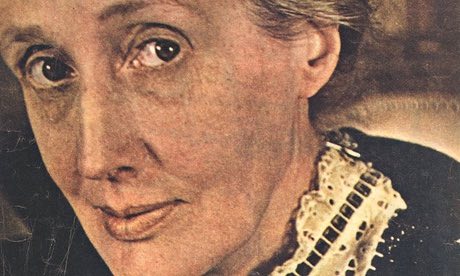
Virginia Woolf photograph by Gisèle Freund, 1939 Photograph: National Portrait Gallery
I’ve read this before, what Virginia Woolf wrote in 1924, but I just came across it accidentally in search of something else. It still makes me cry, because she was right, as Woolf generally is; or if not right, at the very least, wonderfully persuasive.
“She would have stayed in London, dined out, lunched out, met famous people, made new friends, read, travelled, and carried back to the quiet country cottage a hoard of observations to feast upon at leisure. And what effect would all this have had upon the six novels that Jane Austen did not write? She would not have written of crime, of passion, or of adventure. She would not have been rushed by the importunity of publishers or the Battery of friends into slovenliness or insincerity. But she would have known more. Her sense of security would have been shaken. Her comedy would have suffered. She would have trusted less (this is already perceptible in Persuasion) to dialogue and more to reflection to give us a knowledge of her characters. Those marvelous little speeches which sum up in a few minutes’ chatter all that we need in order to know an Admiral Croft or a Mrs. Musgrove forever, that shorthand, hit-or-miss method which contains chapters of analysis and psychology, would have become too crude to hold all that she now perceived of the complexity of human nature. She would have devised a method, clear and composed as ever, but deeper and more suggestive, for conveying not only what people say, but what they leave unsaid; not only what they are, but (if we may be pardoned the vagueness of the expression) what life is.”
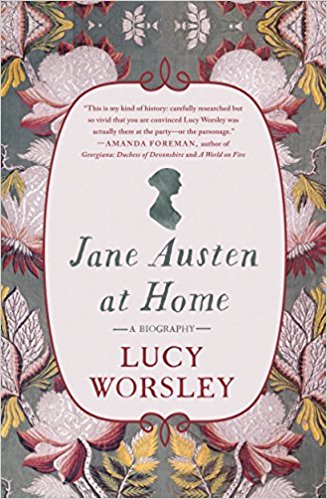
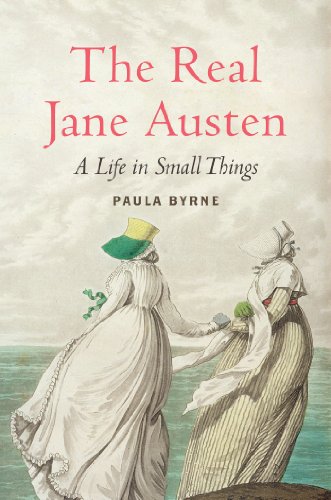 Like many people, I am a huge fan of Lucy Worsley and could watch clips of her on YouTube for hours. She has a genius for bringing history to life with her stunts, her costumes, and her general way of being in the world, which one writer has memorably compared to “a possessed Christopher Robin.” So I was a little surprised to wake up and learn from my Jane Austen Google news alerts that she has been accused of plagiarism.
An article in Private Eye cites numerous examples of similarity in phrasing and content between Ms. Worsley’s new book, “Jane Austen at Home” and Paula Byrne’s 2014 work, “The Real Jane Austen: A Life in Small Things.”
One does not know what to think about this. Continue reading


 The Jane Austen Project: A Novel